Keeping up with AI feels like a secondary job on top of the job you're already doing.
Get your hours back.
I'm an operational strategist for companies inside and outside high-tech. I get deep into how your business really works: the systems, the tools, the habits. Then I help you get where you want to go, tidying up what you have and using AI to build what's missing.
Book an intro call30 minutes, no pitch, no jargon. You'll leave with at least one thing to fix.
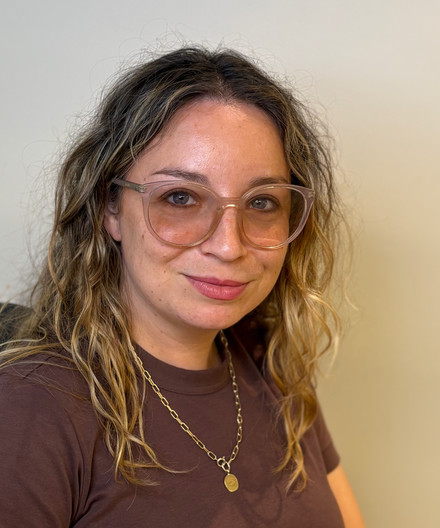
A consultant who has run the company.
I've spent over a decade running commercial teams in media and tech companies, in London and Tel Aviv. At ThoughtLeaders I grew from Head of Business Development to VP Marketing to COO, and then led the company through rebuilding itself around AI.
That's the perspective I bring. I've been the one responsible when an operational decision cost money, I've managed the teams who live inside the processes, and I've done the unglamorous work that makes change stick.
I love helping business owners whose companies grew faster than their operations.
Sound familiar?
You think an "agent" is James Bond.
You've tried ChatGPT. It writes a lovely email. Now what?
Everyone around you seems to be "doing AI", and you're starting to wonder if you've missed the boat.
You're not a software developer. You just want the business to run better: fewer hours lost to admin, more going into the work that makes money.
None of that is a problem. It's exactly where I start.
Your systems, not mine.
The way you already work is the starting point. My job is to make it run beautifully: I learn how the business really runs, tidy up what you already have, and build something new only where there is a genuine gap. No platform to sell you, and no methodology to impose.
I learn how you work
I sit inside your business, not the org-chart version of it, until I understand how you work today and how you want to work.
I tidy up what you have
Most of the win is already in your tools. I cut the manual steps, connect what's disconnected, and hand your team back their hours.
I build what's missing
Where no tool fits, I use AI to build one that matches exactly how you work, and I train your team so it keeps working without me.
The tools I work with.
…and whatever already runs your business. If your company lives on WhatsApp and a fifteen-tab spreadsheet, that's what we work with.
Other people have the theory. I've actually put it into practice.
As COO of a media and tech company connecting brands with YouTube creators, I rebuilt the company around AI: every department, every core process. Three of the things I built:
The monthly finance close
Statements, reconciliation and invoicing used to swallow three days a month. I rebuilt it so the machine does the typing and one person checks the output.
Training that stuck
I retrained every team, from sales to finance, around their real daily work. Long after the training ended, everyone still uses AI every day.
The marketing funnel
I built a system that runs the company's marketing: the weekly newsletter, LinkedIn posts, the team's LinkedIn messages, blog updates and social posts. A human reads everything before it goes out.
Your business has its own versions of these. Let's go find them.
It starts with a conversation.
Every business is different, so I don't sell packages off a shelf. We sit down, go through how you work day to day, and find where the hours are leaking. By the end we'll both know the right next step, and whether I'm the right person for it.
Intro call
30 minutes on where your operation hurts. If I'm not the right fix, I'll say so and point you somewhere better.
Mapping
We go deep on your workflows together. You get the map, the priorities, and what each fix is worth in hours and money.
Build & embed
A focused project or ongoing advisory. Either way, we rebuild the work and train your team until the new way is the normal way.
A focused project
One problem, fixed for good: a workflow rebuilt, a manual process automated, or a tool built to fit. I hand it over working, with your team trained to run it.
Ongoing advisory
I stay in your corner as your operational advisor: we meet regularly, keep improving how work gets done, and I guide each new build as the business changes.
Before you book.
Will you make us switch to new systems?
No, that's the whole point. I work inside the tools you already use and like. New tools only enter the picture when something is genuinely missing, and even then they're built around how you work.
Do we need to be technical?
Not even slightly. If you can describe how your business works, that's all the technical skill required. I translate between your world and the AI world so you never have to learn the jargon.
What does it cost?
It depends on the problem, which is why there's no price list. You'll hear a real number on the first call, not after three meetings. The call itself costs nothing.
Do you replace our ops person?
No. I make them dangerous. If you have an ops manager, I give them the systems and routines they don't have time to build. If you don't, I cover the gap until the business justifies the hire, then help you hire well.
How fast do we see results?
Fast. The first conversation will already show you where the hours are going, and the first working improvements usually land within days of starting. We time tasks before and after, so you see the real number, not my guess.
Bring me your messiest process.
I'll show you how we can fix it together.
Book an intro callHalf an hour, free, and with no jargon.